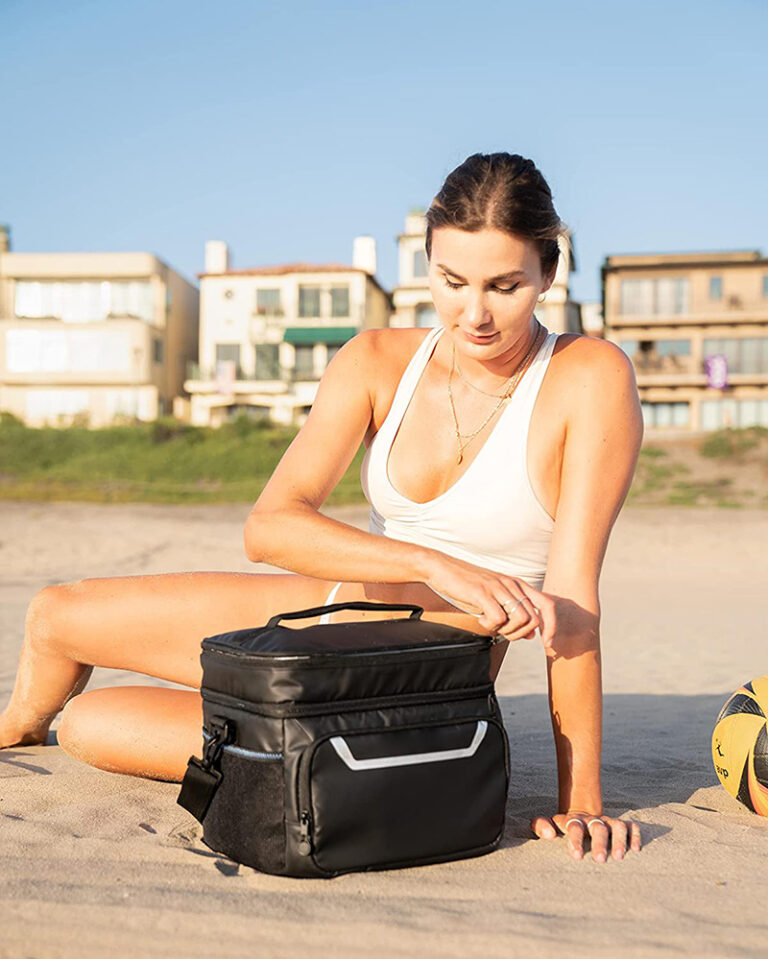
EpiPen Carry Bag: The Essential Accessory for Allergy Emergency Preparedness
For the 32 million Americans living with food allergies—and millions more worldwide who face risks from insect stings, medication reactions, or environmental triggers—an EpiPen (epinephrine auto-injector) isn’t just an accessory: it’s a lifeline. But even the most reliable EpiPen is useless if it’s lost, damaged, or inaccessible when a severe allergic reaction (anaphylaxis) strikes. That’s where the EpiPen Carry Bag comes in. More than a simple storage solution, it’s a critical tool for ensuring life-saving medication is always within reach, organized, and protected. In this guide, we’ll explore why an EpiPen Carry Bag is non-negotiable for allergy sufferers, what to look for when choosing one, and how to make the most of this essential accessory.
Why Every EpiPen Owner Needs a Dedicated Carry Bag
Anaphylaxis can occur in seconds, often without warning. Studies show that delays in administering epinephrine increase the risk of severe complications—even death. Yet, many allergy sufferers struggle to keep their EpiPens accessible: they get buried in a purse, left in a car (where heat or cold can ruin the medication), or forgotten at home. A dedicated EpiPen Carry Bag solves these problems by turning “where’s my EpiPen?” into a question you never have to ask.
First and foremost, an EpiPen Carry Bag ensures accessibility. Designed for portability, most bags are compact enough to slip into a backpack, tote, or even a child’s school bag, while still being large enough to hold one or two EpiPens (many users carry a backup). Some styles feature belt loops or clips, allowing wearers to keep the bag on their person—ideal for hikers, athletes, or anyone who spends time outdoors. This constant accessibility means you’ll never be caught off guard, whether you’re at a restaurant, playground, or work.
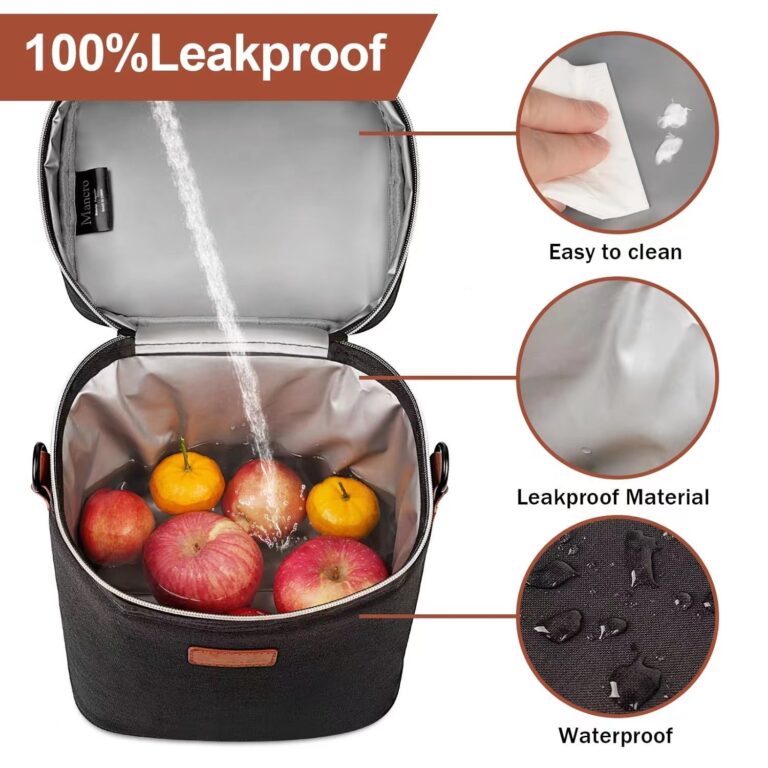
Second, it protects the medication. EpiPens are sensitive to extreme temperatures: exposure to heat above 86°F (30°C) or cold below 59°F (15°C) can degrade the epinephrine, rendering it ineffective. High-quality EpiPen Carry Bags are lined with insulating material to shield the auto-injectors from temperature fluctuations, whether you’re leaving the bag in a hot car for a short time or braving a snowy day. Many also have water-resistant exteriors, protecting against rain, spills, or accidental splashes—critical for parents of young children or anyone who spends time in messy environments.
Finally, an EpiPen Carry Bag promotes organization. The best bags include separate compartments for EpiPens, allergy action plans, antihistamines, or even a small first-aid kit. This means when an emergency hits, you won’t fumble through a jumble of items to find what you need. Some bags even have clear windows or labeled pockets, making it easy for bystanders or first responders to quickly locate the EpiPen if you’re unable to retrieve it yourself.

Key Features to Look for in an EpiPen Carry Bag
Not all EpiPen Carry Bags are created equal. When shopping for one, prioritize these essential features to ensure it meets your needs:
1. Insulation and Temperature Protection
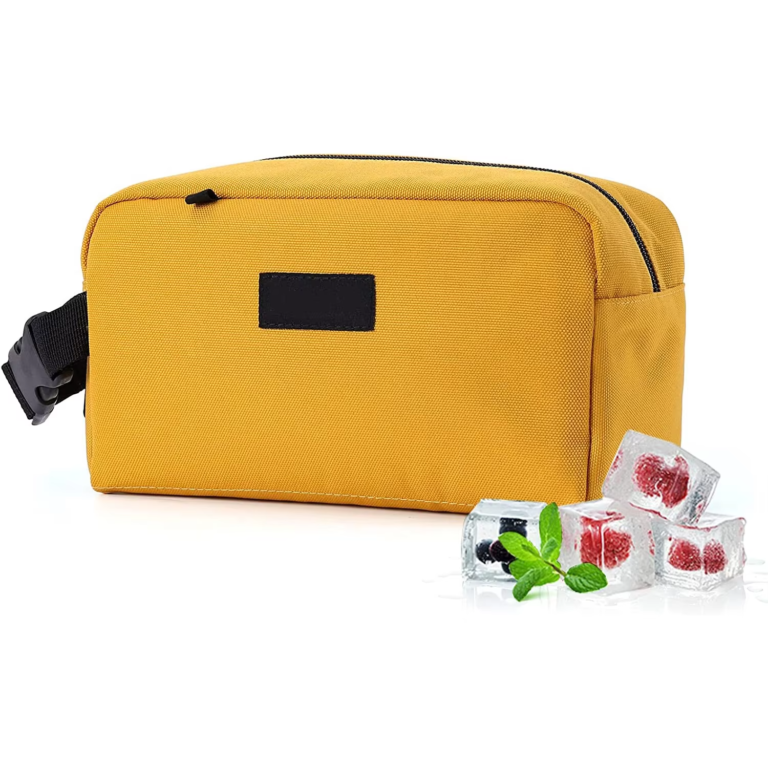
As mentioned, temperature control is non-negotiable. Look for bags lined with closed-cell foam or neoprene—materials that provide excellent insulation without adding bulk. Some premium models even include reusable ice packs (for hot weather) or thermal liners that reflect sunlight. Avoid thin, unlined bags, as they offer little to no protection against extreme temperatures.
2. Size and Capacity
Consider how many EpiPens you carry (most experts recommend two) and any additional items you want to store (allergy cards, Benadryl, hand sanitizer). A compact bag (6–8 inches long) works for daily use, while a slightly larger one may be better for travel. Ensure the bag has enough compartments to keep items organized—no more EpiPens rolling around with lip balm or keys.
3. Durability and Water Resistance
The bag should stand up to daily wear and tear. Look for sturdy fabrics like nylon or polyester, which are tear-resistant and easy to clean. A water-resistant coating or zipper will protect your EpiPens from rain, coffee spills, or poolside splashes—especially important for families with kids.
4. Portability Options
Choose a bag that fits your lifestyle. If you’re always on the go, opt for one with a carabiner clip to attach to a backpack or purse. For parents, a bag with a stroller strap or belt loop keeps it within arm’s reach. Kids may prefer a colorful, backpack-style bag they can carry themselves, which also teaches them responsibility for their allergy care.
5. Visibility and Accessibility
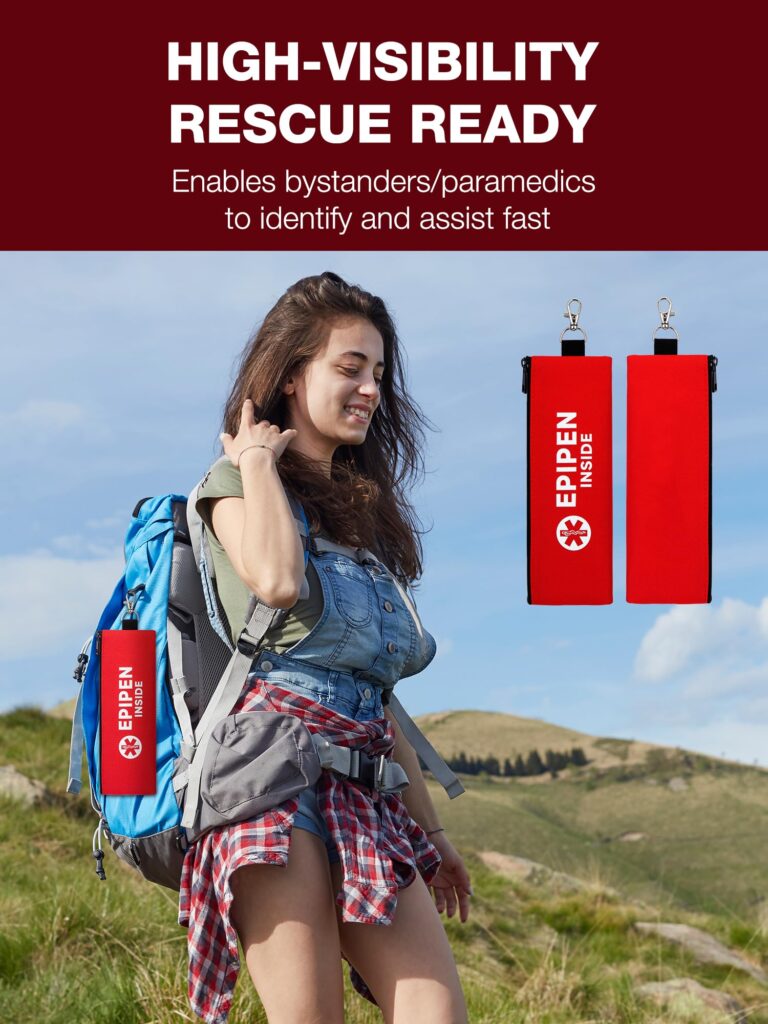
In an emergency, every second counts. Look for bags with bright colors (like red or orange) or reflective strips—this makes the bag easy to spot in a crowded space. Some bags have a quick-access zipper (a large, easy-to-grasp pull tab) that allows you to open the bag with one hand, even if you’re panicking. A clear ID window for your allergy action plan is another useful feature, as it lets first responders quickly learn about your allergies and medication needs.
Real-Life Uses: Who Benefits Most from an EpiPen Carry Bag?
An EpiPen Carry Bag isn’t just for adults—its versatility makes it essential for people of all ages and lifestyles. Here are some of the most common users:
Parents of Allergic Children
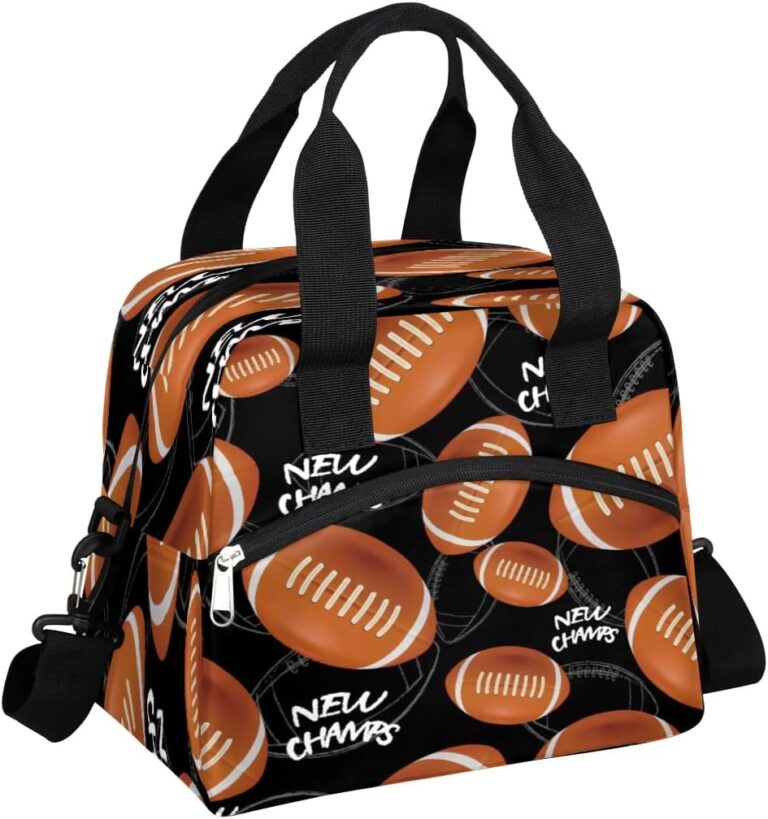
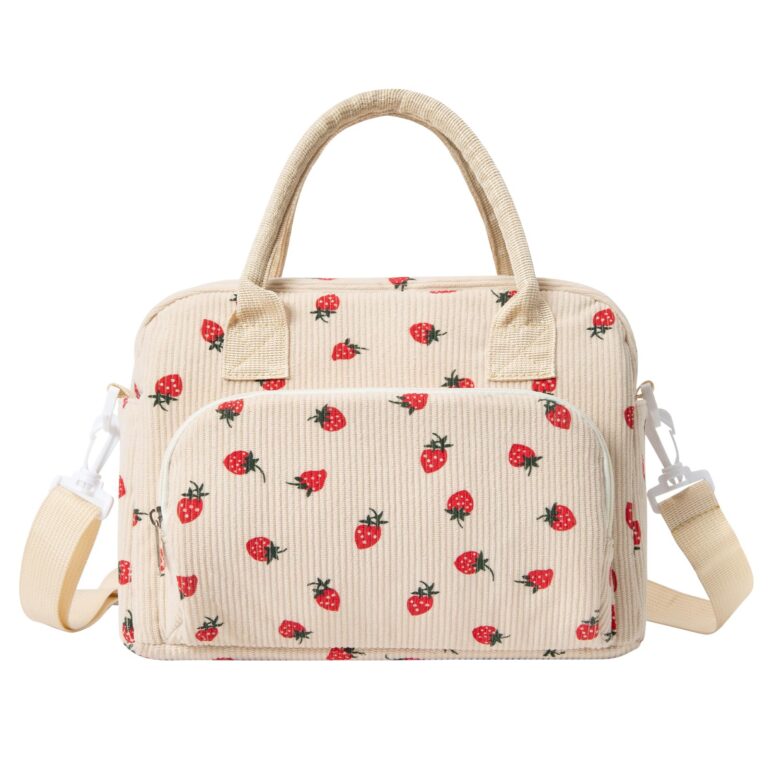
For parents, peace of mind is priceless. A durable, easy-to-carry EpiPen Bag means you can keep your child’s medication close at playdates, school, or family trips. Many kids’ bags come in fun designs (dinosaurs, unicorns, sports themes) that make carrying an EpiPen feel less like a chore and more like a “cool” accessory. Some even have a section for a teacher’s contact info or a note on how to use the EpiPen, ensuring school staff are prepared.
Teens and College Students
As teens gain independence, they need to take charge of their allergy care. A sleek, stylish EpiPen Carry Bag (think minimalist designs or neutral colors) fits into a backpack or gym bag without drawing unwanted attention. Clip-on styles are perfect for attaching to a laptop bag or keys, so they never leave home without it. For college students living in dorms, a bag with multiple compartments can also hold allergy-friendly snacks or a copy of their medical records.
Outdoor Enthusiasts
Hikers, campers, and runners face unique allergy risks—from bee stings to plant allergies. An EpiPen Carry Bag with a belt loop or hydration pack attachment keeps medication within reach on the trail. Look for waterproof, rugged models that can withstand dirt, mud, and extreme temperatures. Some even have a loop for a whistle, adding an extra layer of safety in remote areas.
Professionals On-the-Go
Business travelers, nurses, or salespeople who spend time away from their desks need a compact EpiPen Bag that fits into a briefcase or tote. A stylish, professional-looking bag (in black, navy, or gray) won’t clash with work attire, while still keeping medication protected. Many also have a pocket for a phone or business cards, making it a multi-purpose accessory.

How to Maintain Your EpiPen Carry Bag (and Medication)
A well-maintained EpiPen Carry Bag will last for years—and more importantly, keep your medication effective. Follow these tips:
- Clean the bag regularly: Wipe down the exterior with a damp cloth and mild soap. For fabric bags, check the care label—some are machine-washable (use a gentle cycle and air dry).
- Check the insulation: Inspect the lining for tears or wear. If the insulation is damaged, replace the bag to ensure temperature protection.
- Rotate your EpiPens: EpiPens have an expiration date—mark it on the bag and set a reminder to replace them. Store backups in a separate location (like your car or office) but keep them in a carry bag to protect them.
- Update your allergy action plan: If your allergies change or your doctor updates your treatment plan, replace the copy in your bag immediately. A outdated plan could lead to confusion in an emergency.
Final Thoughts: Investing in Safety
An EpiPen Carry Bag may seem like a small purchase, but it’s one of the most important investments you can make in your or your loved one’s safety. In an anaphylactic emergency, having your EpiPen accessible and effective can mean the difference between life and death. By choosing a bag with insulation, durability, and portability, you’re not just buying a storage solution—you’re buying peace of mind. Whether you’re a parent, teen, outdoor lover, or professional, there’s an EpiPen Carry Bag designed to fit your lifestyle. Don’t wait until an emergency happens: make sure your lifeline is always within reach.
Remember: No EpiPen Carry Bag can replace proper allergy education or a doctor’s guidance. Always talk to your allergist about how to recognize and treat anaphylaxis, and make sure your friends, family, and coworkers know where your EpiPen is stored and how to use it. With the right tools and preparation, you can live confidently—even with allergies.
Tags:cosmetic bags,tactical backpack
Contact us for a wholesale quote