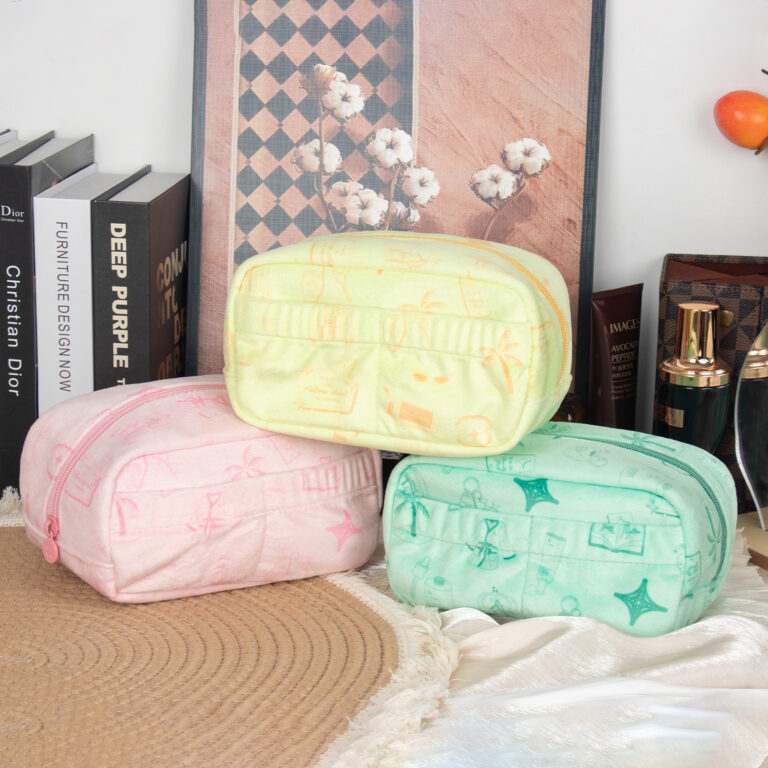
Makeup Vanity Bag: Where Style Meets Sustainability through Low-Carbon Production
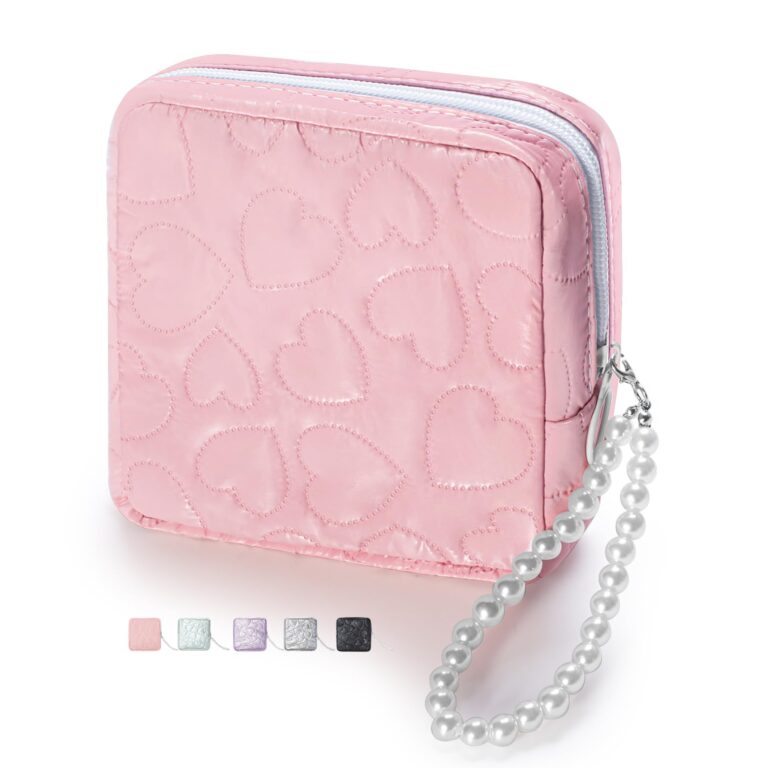
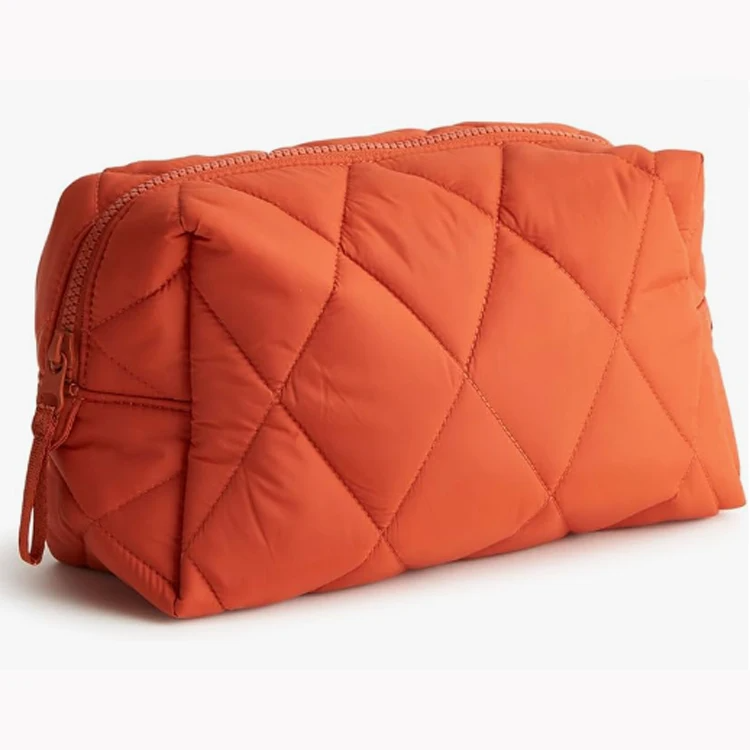
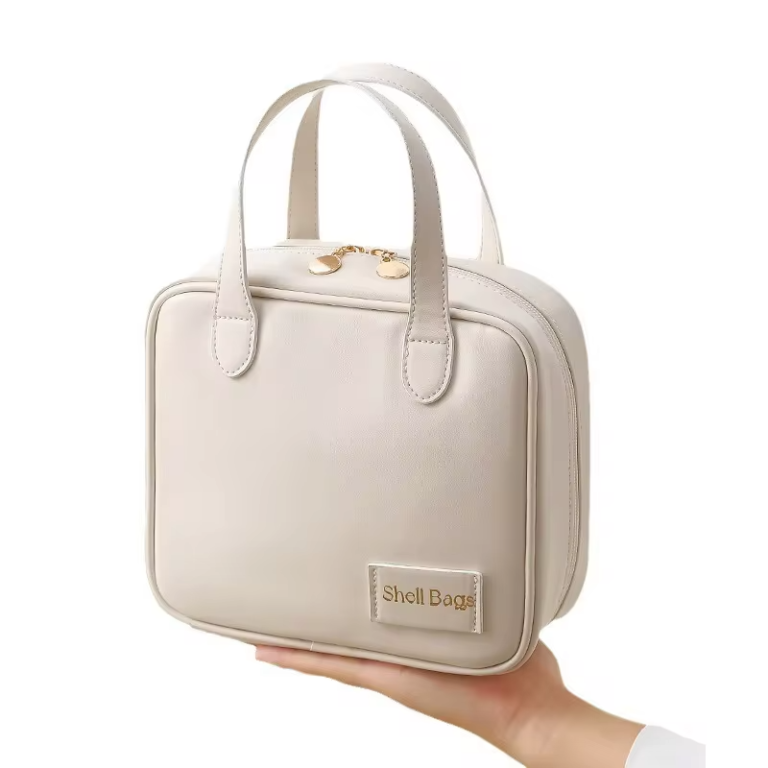
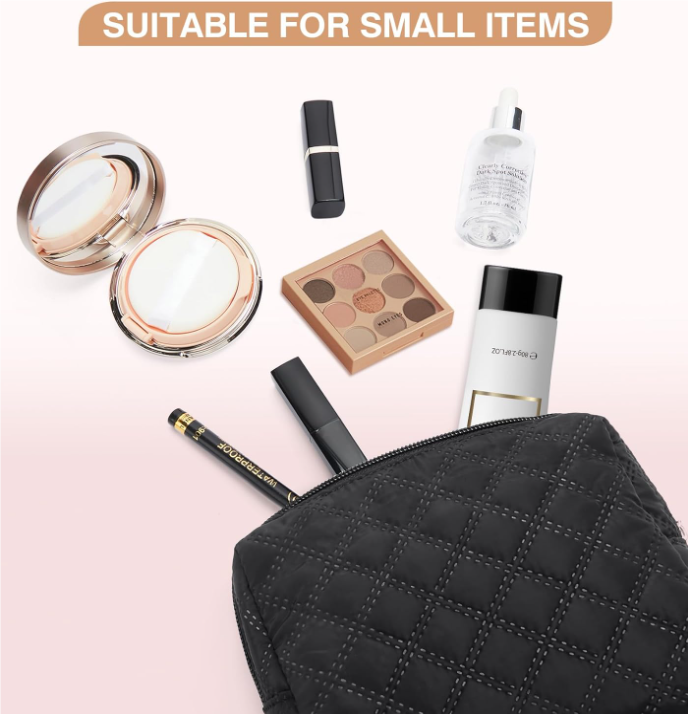
In an era where environmental consciousness is reshaping consumer choices, elmakeup vanity bag has evolved from a simple accessory to a statement of eco-responsibility. As the beauty industry faces growing pressure to reduce its carbon footprint, innovative brands are redefining luxury with low-carbon production practices, ensuring every cosmetic organizer not only enhances your daily routine but also contributes to a greener planet. This article explores how these stylish and sustainable solutions are transforming the market, combining functionality with ethical innovation.
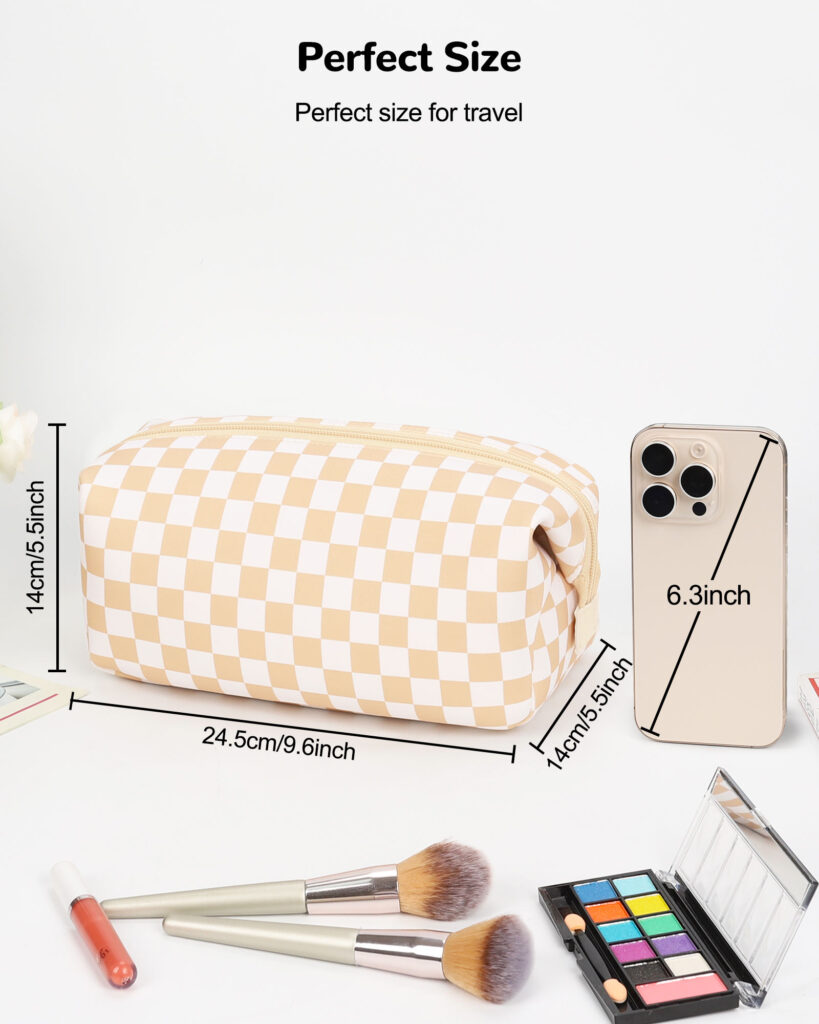
The Rise of Low-Carbon Production in Beauty Accessories
The global beauty industry generates over 150 billion units of packaging annually, with traditional makeup bags often contributing to landfill waste due to non-biodegradable materials like PVC and synthetic leather. Recognizing this challenge, forward-thinking brands are embracing low-carbon production as a core value. This shift involves:
- Sustainable Material Selection: From organic cotton and recycled polyester to mushroom-based leather (e.g., Hermès’ Sylvaniade) and ocean-bound plastics transformed into ECONYL® nylon (used by Prada and Burberry), materials are chosen for their minimal environmental impact.
- Energy-Efficient Manufacturing: Factories powered by renewable energy sources (solar, viento) and water-saving technologies reduce operational carbon emissions.
- Certifications for Transparency: Brands like LVMH and Natura&Co proudly display certifications such as OEKO-TEX® STANDARD 100 (ensuring chemical safety) and GOTS (Global Organic Textile Standard), reassuring consumers of their eco-commitment.
Why Low-Carbon Makeup Vanity Bags Matter
1. Environmental Impact Reduction
- Carbon Footprint: Traditional leather production emits 28% more CO2 than plant-based alternatives. A single makeup bag made from recycled materials can save up to 3 kilograms of CO2 compared to its virgin plastic counterpart.
- Waste Prevention: Brands like Rae Cosmetic Bags use 100% post-consumer recycled PET bottles, diverting 1.2 million bottles from landfills annually.
- Water Conservation: Organic cotton farming uses 91% less water than conventional methods, aligning with global water stewardship goals.
2. Healthier Choices for Consumers
Low-carbon production often translates to non-toxic products. Por ejemplo:
- OEKO-TEX® Certified Bags: Free from harmful chemicals like formaldehyde and heavy metals, ideal for sensitive skin users.
- Biodegradable Fabrics: Jute and bamboo-based bags decompose naturally, reducing microplastic pollution in oceans.
3. Market Demand and Economic Viability
Consumers are willing to pay a premium for eco-friendly products. A 2024 survey revealed that 67% of beauty shoppers prioritize sustainability, driving brands like Daiso to launch affordable, biodegradable makeup organizers. This trend also benefits businesses: companies with strong ESG (Environmental, Social, Governance) performance outperform peers by 10% in revenue growth.
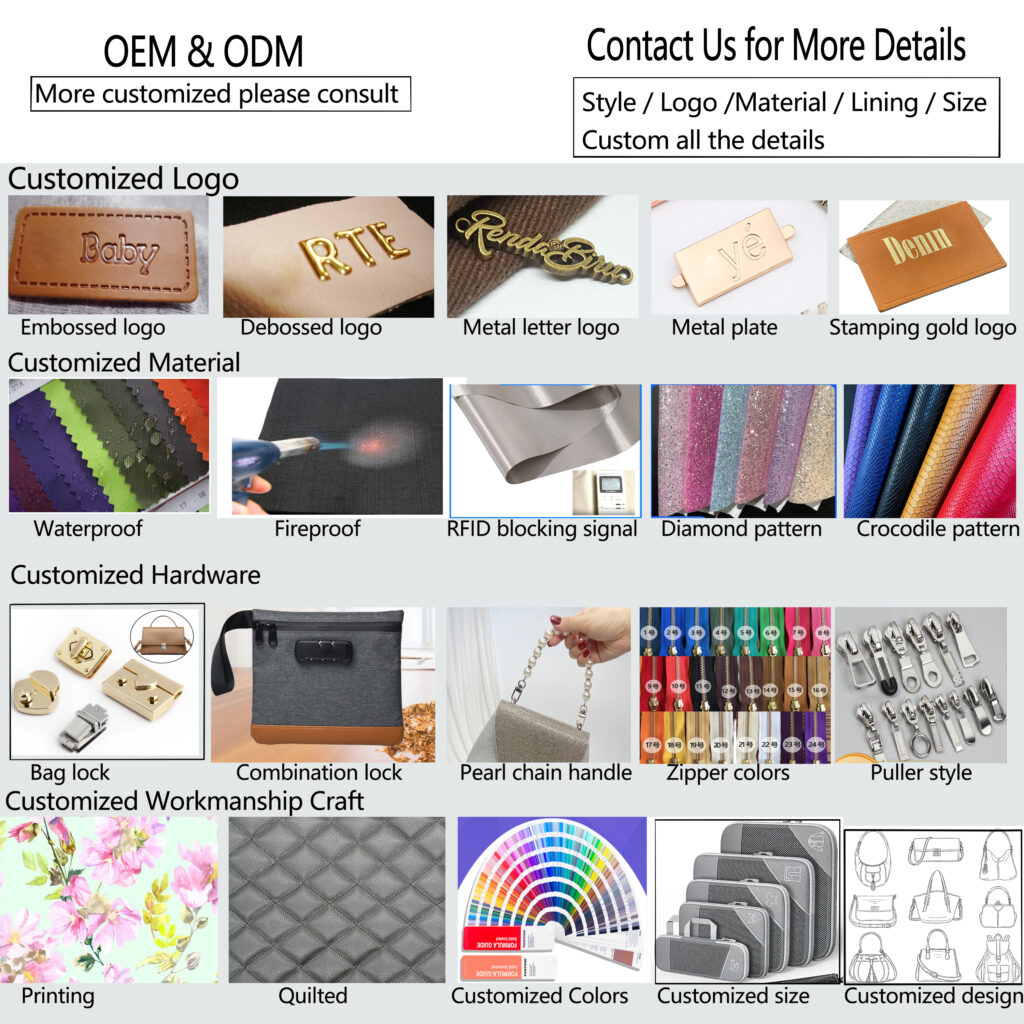
Innovations in Low-Carbon Makeup Vanity Bags
1. Smart Design for Circularity
- Modular Systems: Brands like MZ Wallace offer detachable compartments, allowing users to customize storage while extending the bag’s lifespan.
- Upcycling: Patagonia Provisions repurposes coffee sacks into durable, water-resistant makeup bags, blending functionality with zero-waste principles.
2. Advanced Materials
- Mushroom Leather: Mycelium-based materials, as seen in Ecovative Design collaborations, grow without harming ecosystems and decompose within months.
- Regenerated Nylon: Econyl® by Aquafil transforms fishing nets and industrial plastic into high-performance, infinitely recyclable fabrics.
3. Carbon-Neutral Packaging
- Compostable Wrappers: Brands like Lush use sugarcane-based packaging that breaks down in home compost bins.
- Minimalist Kits: Travel-sized makeup bags from Glossier reduce excess packaging, cutting CO2 emissions by 20% per unit.
How to Choose a Sustainable Makeup Vanity Bag
When shopping for a low-carbon makeup vanity bag, consider these criteria:
- Material Transparency: Look for certifications like GOTS, OEKO-TEX®, or FSC (Forest Stewardship Council).
- Lifecycle Impact: Opt for products with a Carbon Neutral label or those using recycled content (e.g., 100% rPET).
- Brand Ethics: Support brands with clear sustainability goals, such as NARS’ commitment to 100% renewable energy by 2025.
- Durability: Invest in well-constructed bags to avoid frequent replacements.
The Future of Low-Carbon Beauty Accessories
As climate-conscious consumers drive demand, elmakeup vanity bag market is poised for exponential growth. Key trends include:
- Digital Twins: Brands like Gucci use AI to simulate product lifecycles, optimizing materials and reducing waste.
- Blockchain Traceability: LVMH’s Aura Blockchain tracks raw materials from farm to consumer, ensuring ethical sourcing.
- Consumer-Driven Innovation: Crowdsourced designs via platforms like Kickstarter allow users to vote on eco-friendly features.
Conclusion
The makeup vanity bag has transcended its role as a mere storage solution, becoming a symbol of sustainable luxury. By embracing low-carbon production, brands are not only meeting consumer expectations but also leading the charge toward a circular economy. Whether you choose a chic recycled nylon pouch or a biodegradable jute organizer, your choice contributes to a healthier planet—proving that style and sustainability can coexist seamlessly.
Ready to make a difference? Explore our curated collection of eco-friendly makeup vanity bags and join the movement toward a greener beauty routine.
Tags:bolsas de cosméticos,tactical backpack
Contáctenos para una cotización al por mayor