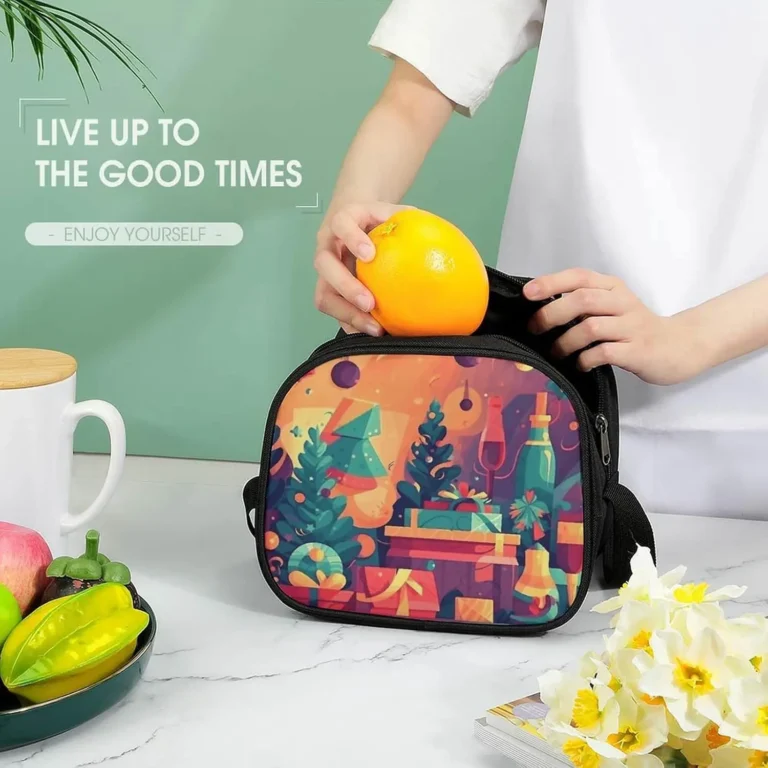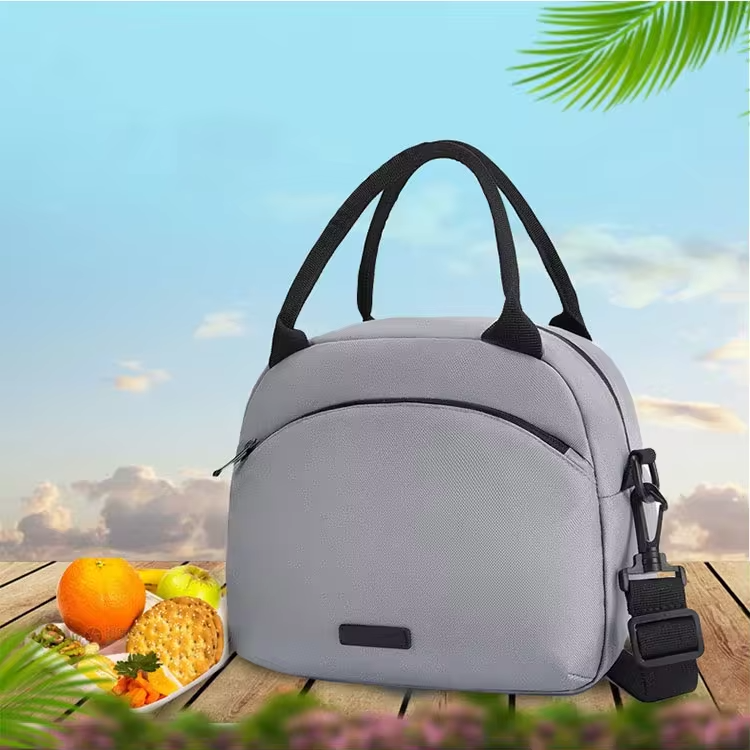
Picnic Cooler Bag: Your Essential Companion for Outdoor Feasts
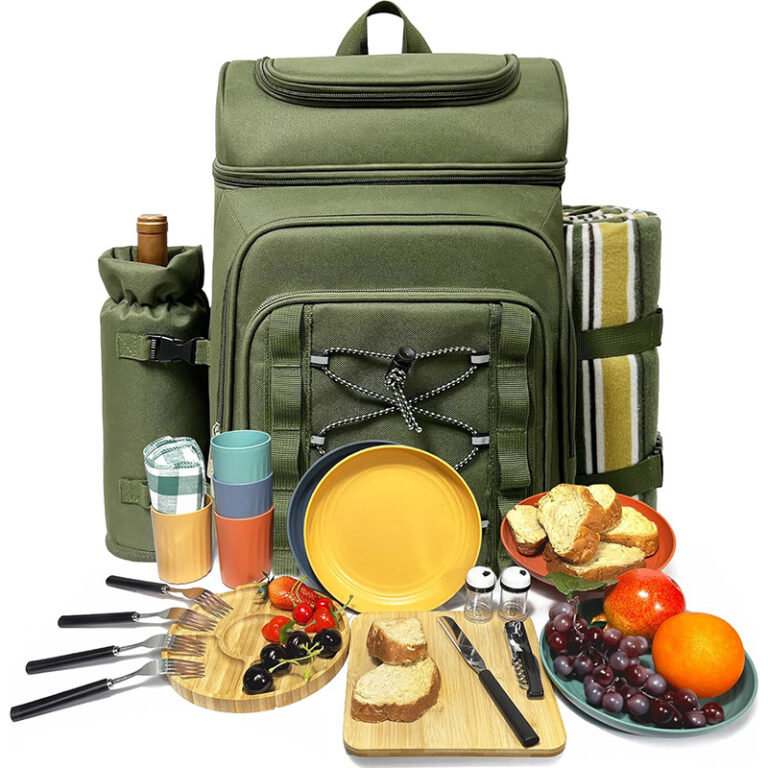
Imagine a sunny weekend afternoon, spread out on a lush green lawn with friends and family, surrounded by fresh sandwiches, chilled beverages, and colorful fruit platters. The key to keeping those treats fresh and delicious? A reliable picnic cooler bag. More than just a storage solution, modern picnic cooler bags blend functionality, durabilidad, and style to enhance every outdoor experience. In this comprehensive guide, we’ll explore why these bags are a must-have for picnickers, campers, and anyone who loves eating well in the great outdoors—while diving into features, 选购 tips, and real-world applications that make them indispensable.
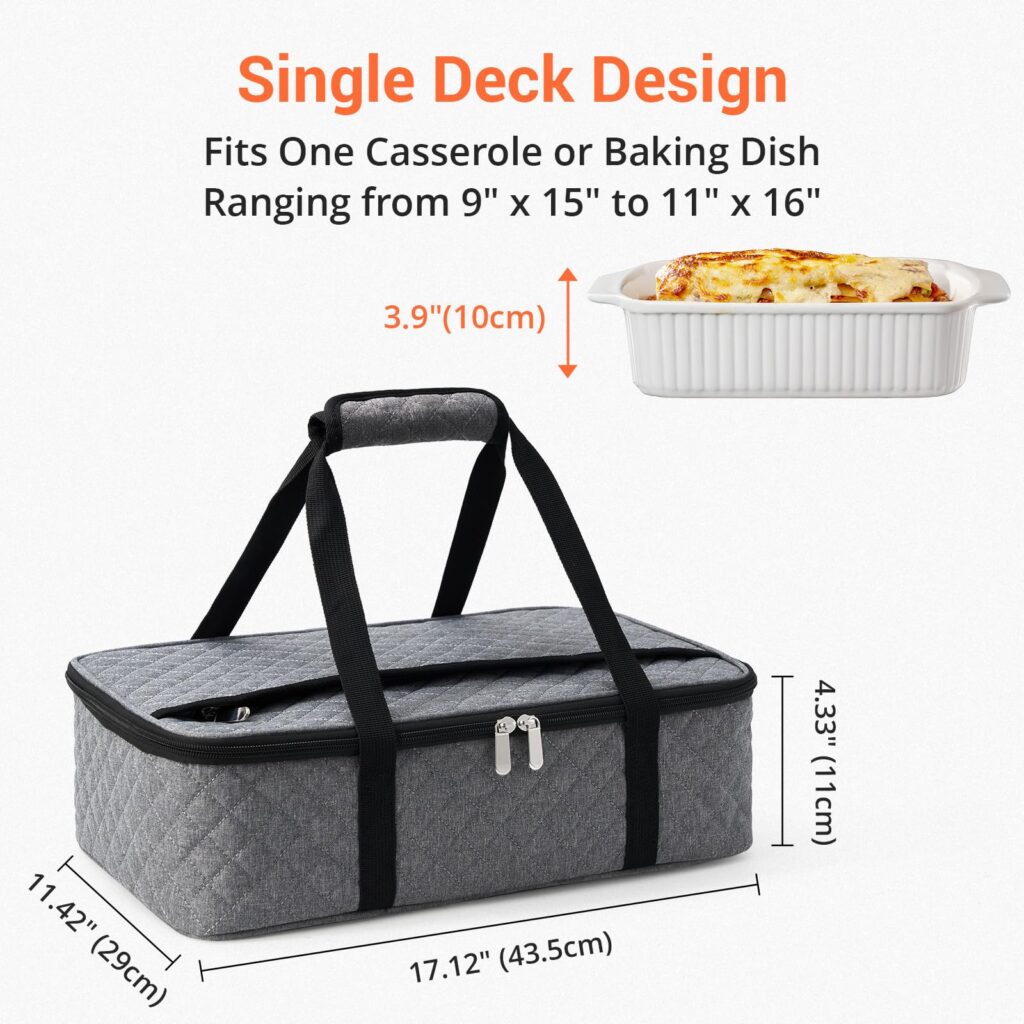
- Cold storage: A well-insulated bag can keep ice packs frozen for 6–12 hours, depending on external temperature and load.Hot storage: Some models excel at maintaining warm temperatures for soups, baked goods, or leftovers, thanks to thick insulation and sealed zippers.
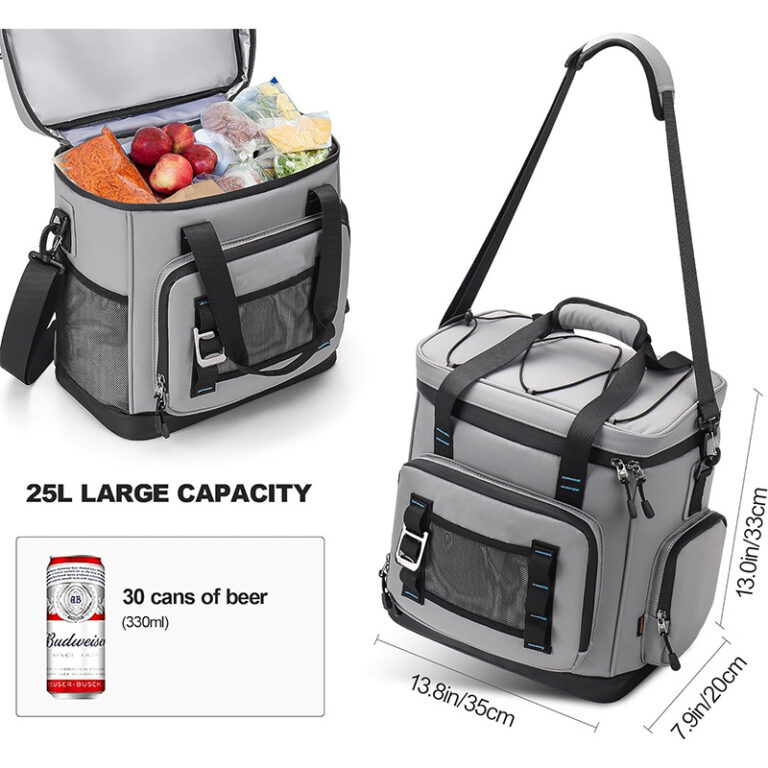
- Compact designs: Ideal for solo outings or couples, holding 6–12 cans plus snacks (e.g., 10L capacity).Family-sized models: Spacious enough for a day’s worth of food for 4–6 people, with 20–30L capacity and multiple compartments for drinks, utensilios, and ice packs.Extra-large coolers: Perfect for big gatherings, featuring reinforced handles or wheels for easy transport of heavy loads.
- Ergonomic handles: Padded or adjustable shoulder straps reduce strain during long walks.Foldable designs: Lightweight, collapsible bags that save space when not in use—great for backpackers or minimalist travelers.Waterproof exteriors: Made from materials like Oxford cloth, nylon, or PVC-coated polyester to withstand rain, spills, and rough outdoor use.
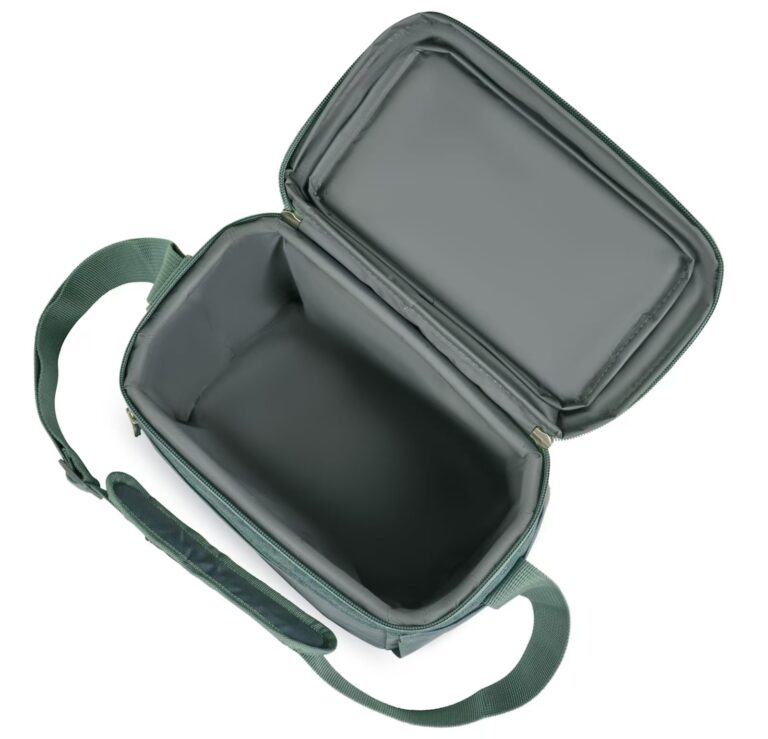
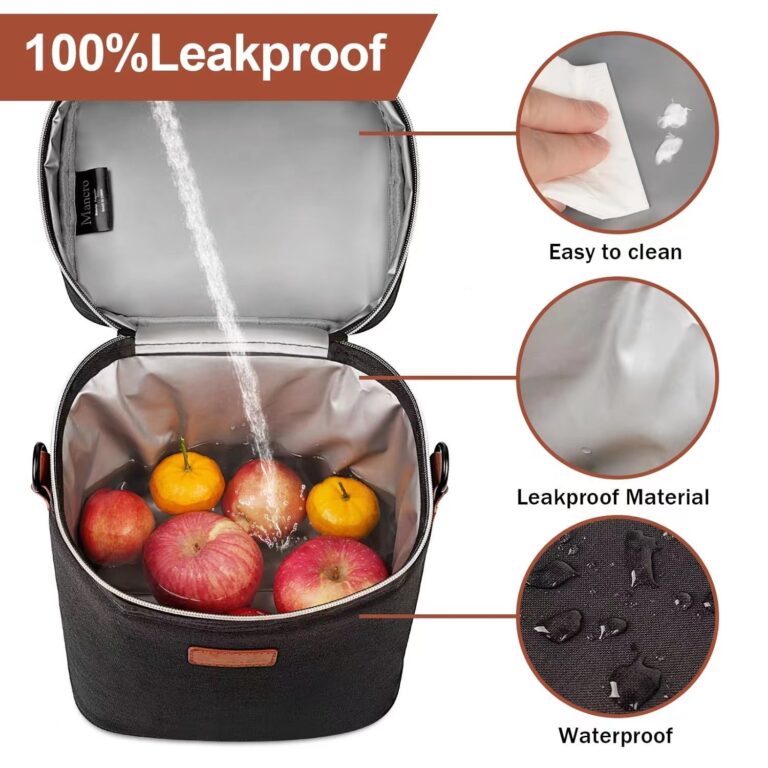
- Leak-proof liners: Seamless inner linings prevent melted ice or spilled drinks from soaking the bag’s exterior (a must for messy spills!).Multiple pockets: Exterior mesh or zippered pockets for storing utensils, pañales, or personal items, while interior dividers keep food organized.See-through lids or windows: Allows quick visibility of contents without opening the bag, preserving temperature efficiency.
- Keep drinks icy cold under the sun and protect fresh fruit from heat damage. Look for sand-resistant materials and waterproof zippers for beach use.
- Store perishable ingredients for multi-day trips, ensuring breakfast eggs and dinner meats stay fresh until cooking. Lightweight, compact models are perfect for hikers.
c. Sports Games and Tailgating
- Transport stadium snacks, hot soups, or party platters while keeping them at ideal temperatures until kickoff. Many fans use oversized cooler bags with team logos for added flair.
d. Grocery Runs
- Use as a reusable alternative to plastic bags, keeping frozen foods cold during the drive home. Some bags even double as lunch totes for daily use.
e. Emergency Preparedness
- Store emergency food and medications that require temperature control during power outages or natural disasters.
4. How to Choose the Right Picnic Cooler Bag
With so many options on the market, selecting the best cooler bag requires clarity on your needs. Use this checklist to guide your decision:
a. Primary Use Case
- Day vs. multi-day use: Shorter outings may need a lightweight, 6–12-hour cooler; extended trips require heavy-duty models with 24+ hour ice retention.
- Food type: Will you carry mostly cold items, hot dishes, or a mix? Some bags are optimized for one or the other.

b. Insulation Quality
- Check product specs for ICE RETENTION RATINGS (e.g., “keeps ice for 10 hours at 90°F”). Thicker insulation and airtight seals usually mean better performance.
c. Material Durability
- Exterior: Look for abrasion-resistant fabrics like 600D Oxford cloth or PVC for rugged use; opt for softer, stylish materials (e.g., canvas) for casual outings.
- Lining: PEVA is non-toxic and easy to clean, while aluminum foil liners reflect heat effectively but may be prone to tearing over time.
d. Size and Weight
- Balance capacity with portability. A 20L bag holds about 24 cans plus ice—suitable for 4 people—while weighing 1–2 pounds empty.
e. Additional Features
- Zippers: Heavy-duty, rust-resistant zippers (e.g., YKK zippers) ensure longevity.
- Cleaning ease: Machine-washable bags (check care instructions!) are a plus for frequent users.
- Aesthetics: Choose a color or pattern that matches your style, from neutral tones to vibrant prints.
5. Top Brands and Product Examples
To inspire your search, here are some reputable brands known for high-quality picnic cooler bags:
a. Yeti Hopper Flip 12
- Pros: Legendary ice retention (up to 24 horas), rugged waterproof exterior, leak-proof liner.
- Cons: Premium price point; best for heavy-duty use.
b. AO Coolers Soft-Sided Cooler
- Pros: Affordable, foldable design, comes in multiple sizes and colors.
- Cons: Shorter ice retention (6–8 hours) for budget-friendly models.
c. Igloo Reusable Cooler Bag
- Pros: Eco-friendly RPET material, spacious interior, easy to clean.
- Cons: Basic insulation; ideal for short trips.
d. Coleman Soft Cooler
- Pros: Balances performance and affordability, with welded seams for leak resistance.
- Cons: Heavier than some premium models.
e. Arctic Zone Titan Deep Freeze
- Pros: Ultra-thick insulation for extended cold retention, zippered lid for maximum seal.
- Cons: Stiffer material may be less flexible for packing.
6. Tips for Maximizing Your Cooler Bag’s Performance
Even the best picnic cooler bag needs smart usage to deliver optimal results:
- Pre-chill (or pre-warm) the bag: Place ice packs inside for 30 minutes before loading cold food, or fill with warm water (then empty) for hot items.
- Use ice packs strategically: Place them at the bottom and sides of the bag for even cooling; avoid overloading with ice, which takes up space.
- Pack efficiently: Group similar items together (e.g., all drinks in one section) and use airtight containers for soups or sauces to prevent leaks.
- Keep it closed: Minimize opening the bag to preserve temperature—plan your meals so you can access items without rummaging.
- Clean regularly: Wipe the interior with a mild soap solution after use to prevent odors and bacteria buildup.
7. The Future of Picnic Cooler Bags: Innovations on the Horizon
As outdoor culture evolves, so does cooler bag technology. Look out for emerging trends:
- Smart coolers: Integrated thermometers or Bluetooth sensors to monitor internal temperature via smartphone apps.
- Sustainable materials: More brands adopting recycled fabrics and plant-based liners to reduce environmental impact.
- Modular designs: Interchangeable compartments and expandable sizes for customizable storage.
- Fashion-forward options: Collaborations with designers to create cooler bags that double as stylish accessories.

Conclusion: Elevate Your Outdoor Experience with a Picnic Cooler Bag
A picnic cooler bag is far more than a practical tool—it’s a gateway to stress-free, delicious outdoor meals. By choosing a model that matches your needs for insulation, durabilidad, y estilo, you’ll ensure every picnic, hike, or tailgate is a success. Whether you’re a casual day-tripper or a seasoned camper, investing in a high-quality cooler bag means your food stays fresh, your drinks stay cold (or hot), and your focus stays on enjoying the moment.
So, the next time you plan an outdoor adventure, don’t leave home without your trusty picnic cooler bag. It’s the essential companion that turns every meal into a memorable feast—no matter where you are.
Tags:bolsas de cosméticos,tactical backpack
Contáctenos para una cotización al por mayor